
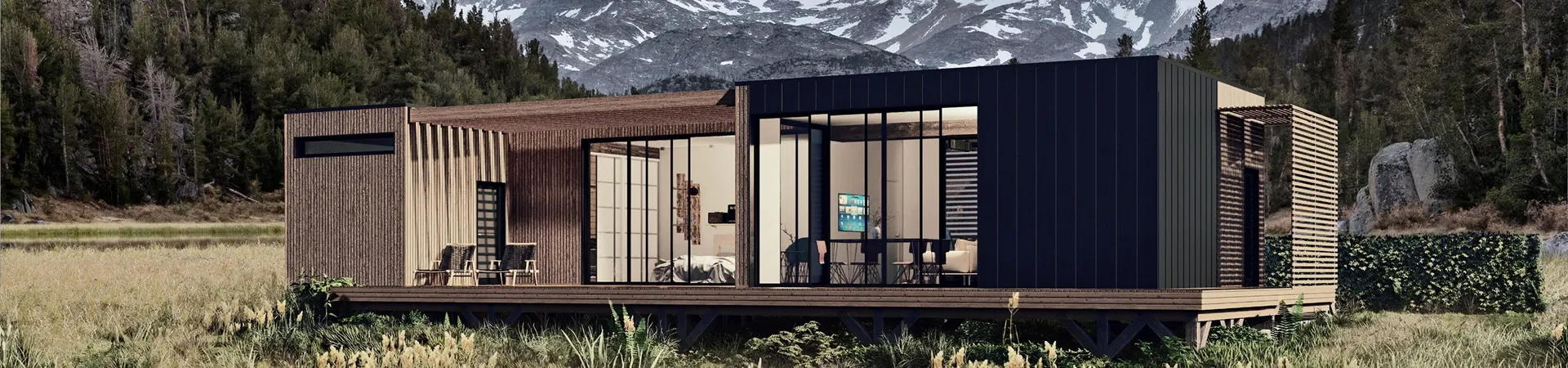
What is a Prefab House? Exploring Benefits, Costs, and Industry Growth Insights
As urbanization accelerates and the demand for affordable housing continues to rise, the concept of a Prefab House has gained significant traction. Prefabricated homes, constructed in controlled factory settings before being transported to their final locations, offer a sustainable and efficient alternative to traditional construction methods. According to a report by Grand View Research, the global prefabricated housing market is poised to reach $153.7 billion by 2025, with a CAGR of 6.9% from 2020 to 2025. This growth is propelled by technological advancements and a growing emphasis on sustainability.
Expert insights from noted industry analyst Sarah Novak highlight the transformative potential of Prefab Houses in the housing sector. She states,
"Prefab housing not only minimizes construction waste but also shortens build times significantly, making it an attractive option for both developers and homebuyers."As societal trends shift towards more sustainable living solutions, the adoption of Prefab Houses presents numerous benefits, including cost savings, energy efficiency, and reduced construction timelines. Thus, the future of housing may very well be shaped by the continued evolution of prefab construction methodologies.
Table of Contents [Hide]
Understanding Prefab Houses: Definition and Key Characteristics
Prefab houses, short for prefabricated houses, are structures manufactured off-site in advanced factories before being transported and assembled at their final location. This innovative building method has grown tremendously due to its efficiency, cost-effectiveness, and sustainable practices. According to a report by Allied Market Research, the global prefabricated housing market was valued at approximately $94.83 billion in 2019 and is expected to reach around $202.42 billion by 2027, showcasing a compound annual growth rate (CAGR) of 10.3% from 2020 to 2027.
Key characteristics of prefab houses include their modular construction, which allows for faster building times compared to traditional homes. They offer a variety of designs and customizations while ensuring high levels of quality control. Additionally, prefab homes often utilize eco-friendly materials and energy-efficient designs, aligning with the contemporary emphasis on sustainability in housing. The National Institute of Building Sciences suggests that utilizing prefab techniques can reduce construction waste by up to 60%, demonstrating the environmental benefits associated with this approach.
Tips: When considering a prefab house, assess the different design options and check local regulations regarding modular construction. To maximize sustainability, look for manufacturers that prioritize eco-friendly materials and energy-efficient designs. Additionally, always request a detailed cost breakdown to avoid unexpected expenses during the construction process.
Advantages of Prefab Houses: Cost-Efficiency and Sustainability
Prefab houses, or prefabricated homes, are becoming increasingly popular due to their inherent cost-efficiency and sustainability. One of the primary advantages of prefab construction is the reduction in labor costs and construction time. Since these homes are built in a controlled factory setting, the assembly process is streamlined, allowing for quicker completion compared to traditional construction methods. This efficiency can lead to significant savings for homeowners, making home ownership more accessible.
Moreover, prefab houses often employ sustainable materials and energy-efficient designs, catering to environmentally conscious buyers. Many manufacturers focus on using recycled materials and minimizing waste during the production process, which aligns with the growing demand for sustainable living solutions. Additionally, innovative designs in prefab homes frequently integrate green technologies, such as solar panels and high-grade insulation, contributing to lower energy consumption and utility bills in the long run. This combination of cost savings and eco-friendliness makes prefab houses an attractive option for modern homeowners looking to balance their budget with environmental responsibility.
Financial Considerations: Initial Costs and Long-Term Savings
Prefab houses, or prefabricated homes, have gained popularity due to their cost-effectiveness and efficiency. One of the key financial considerations for prospective buyers is the initial cost compared to traditional building methods. Prefab houses can be significantly cheaper to construct since the components are manufactured in a factory setting, reducing labor expenses and construction time. As a result, many buyers find that they can secure a quality home at a fraction of the price of a site-built house.
In addition to initial savings, prefab homes often lead to long-term financial benefits. Many come equipped with energy-efficient materials and designs, which can result in reduced utility bills over time. Moreover, some models are built to higher standards that contribute to lower maintenance costs.
**Tips:** When considering a prefab house, focus on energy-efficient options that promise long-term savings. Always factor in potential extra costs such as land preparation and site connection expenses. Investigate financing options that may be unique to prefabricated homes, as this could influence your total expenditure and long-term budget strategy.
What is a Prefab House? Exploring Benefits, Costs, and Industry Growth Insights - Financial Considerations: Initial Costs and Long-Term Savings
| Aspect | Details |
|---|---|
| Initial Cost | $100,000 - $250,000 |
| Construction Time | 4 to 8 months |
| Energy Efficiency Savings | Up to 30% lower energy bills |
| Maintenance Costs | 15% lower than traditional homes |
| Loan Availability | Specialized loans are available |
| Industry Growth Rate | 10% annually |
| Resale Value | Generally retains value well |
Market Trends: Industry Growth and Future Projections for 2025
The prefab house industry is experiencing significant growth, with projections indicating a robust market landscape as we approach 2025. This expansion is part of a broader trend, where innovative construction methods are reshaping residential building dynamics, making housing more accessible and efficient. The integration of advanced technologies in the production of prefab homes promises not only cost savings but also a reduced environmental footprint, appealing to both consumers and builders.
As the market evolves, several factors contribute to its promising outlook. Increased awareness of sustainability, coupled with urbanization demands, has sparked interest in prefab solutions across various demographics. Furthermore, the economic pressures faced by traditional construction methods push consumers and builders towards more streamlined, cost-effective alternatives. As various stakeholders begin to embrace these modern approaches, the prefab housing market is set to thrive, paving the way for a new era in residential construction by 2025 and beyond.
Evaluating Design Options: Customization and Style in Prefab Homes
Prefab homes have gained significant popularity due to their versatility and efficiency in building design. One of the most appealing aspects of these homes is the wide range of customization options available. Homebuyers can choose from various architectural styles, layouts, and finishes to create a space that truly reflects their personal taste. This flexibility allows for a more personalized living environment, making prefab homes suitable for diverse lifestyles and preferences.
When considering design options for a prefab home, it's essential to prioritize functionality alongside aesthetics. Think about how the layout can enhance daily living while incorporating elements that resonate with your style. For example, open floor plans can create a modern feel, while traditional finishes may offer a cozy, classic look.
**Tips:** Start your customization journey by making a list of must-have features and style inspirations. Engage with manufacturers to explore different material options, as sustainable choices can enhance both the aesthetic and environmental footprint of your home. Don’t hesitate to consult with design professionals who specialize in prefab projects to ensure you fully utilize the potential of your new space.