
Global projects rarely fail because of one dramatic problem. More often, delays begin with small mismatches: a missing document, a wet storage area, or equipment that arrives too late. A construction container can reduce some of these risks by combining transportability, secure storage, and adaptable workspace in one standardized unit. Its steel frame can protect tools from rain, dust, and rough handling. Its modular dimensions also support easier planning across distant project sites.
Tom Hardiman, Executive Director of the Modular Building Institute, describes the wider principle clearly: “Modular construction is a method of construction, not a building type.” That distinction matters. A construction container is not automatically the right choice for every project. However, it can serve as a site office, power room, material store, sanitation unit, or temporary accommodation, depending on local requirements and engineering review.
The global advantage is coordination. Units can be fabricated before site work begins, inspected under controlled conditions, and shipped through established freight networks. Project teams may also relocate them as phases change. This can reduce repeated purchasing and unnecessary waste. Still, transport permits, lifting plans, fire protection, insulation, and regional building codes require careful verification. One overlooked requirement can erase the expected savings.
The container is practical, not magical. Its value depends on design, documentation, maintenance, and honest site assessment. When those details are handled properly, construction container solutions can give international projects a more predictable foundation.
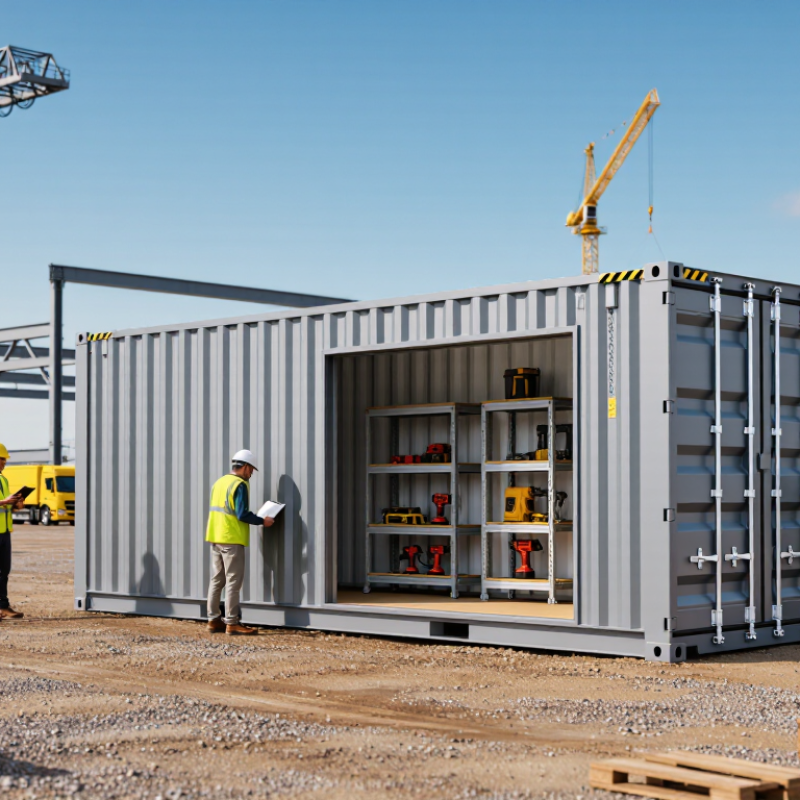
Construction containers are engineered, movable units designed for controlled use at temporary or permanent sites. They may serve as offices, storage rooms, workshops, laboratories, or welfare facilities. Their steel frames and standardized dimensions support transport by road, rail, or sea. This makes them practical when projects move equipment across borders.
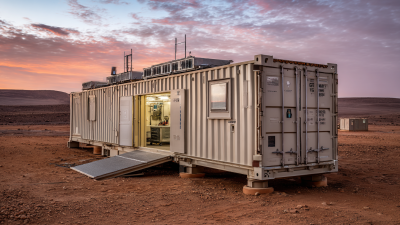
In global construction, containers create a repeatable working environment. A project team can install insulated walls, lighting, ventilation, fire protection, and secure doors before delivery. Workers may receive a ready-to-use office beside a remote bridge site. Tools can remain in locked storage instead of exposed shelters. However, a container is not automatically suitable for every climate or regulation.
Designers must check local building codes, electrical standards, sanitation rules, lifting limits, and customs documentation. Hot regions may require reflective roofs and stronger cooling systems. Cold locations often need enhanced insulation and protected water lines. Coastal sites demand corrosion control, while dusty areas need filtered ventilation. Project managers should also inspect welds, seals, flooring, and emergency exits after transport.
The most reliable approach combines modular design with local technical review. Engineers can verify structural loads and utility connections before shipment. Site teams can record damage with photographs during unloading. Small oversights matter. A poorly positioned doorway may disrupt daily movement, and an incorrect power frequency can delay commissioning. Construction containers support global projects best when their convenience is tested against real site conditions.
Why Use Construction Containers for Global Projects?
Dry freight containers handle tools, cable, fasteners, and packaged materials. Their lockable steel walls protect equipment from rain and dust. Open-top containers suit excavators, pipes, and oversized components loaded by crane. Flat racks support heavy machinery and structural frames. They are useful, but exposed cargo needs careful wrapping and inspection.
Refrigerated and ISO Tank Containers Refrigerated containers protect temperature-sensitive materials, including certain resins, sealants, and laboratory supplies. ISO tank containers can transport approved liquids, but project teams must verify handling, cleaning, and local requirements.
Modular office, accommodation, kitchen, sanitary, and workshop containers add daily site functions. A twenty-foot unit may become a compact tool room, with shelving, lighting, and a marked walkway. Space matters. The World Bank’s 2023 Logistics Performance Index assessed 139 economies and highlighted infrastructure, tracking, and delivery timeliness. Those findings support early container planning, especially where customs delays or weak roads are common.
Global construction rarely fails because materials are unavailable. It fails when materials, people, and information arrive at different times. Construction containers help synchronize those moving parts. UNCTAD’s Review of Maritime Transport 2023 reports that over 80% of global merchandise trade moves by sea. That exposure makes port delays, severe weather, and inland bottlenecks serious project risks. A standardized container can become a site office, secure store, tool room, or compact workshop. Its dimensions simplify lifting, stacking, and relocation between work fronts. Climate control protects sensitive components, but ventilation and humidity checks remain essential.
Small detail.
Big consequence.
Project scale is also increasing. Global Construction Perspectives and Oxford Economics estimated that worldwide construction output could grow 85% to 15.5 trillion dollars by 2030. Larger programs need repeatable operating systems across different countries. Containers support this through consistent layouts, labeled inventory zones, document storage, and controlled access. The World Bank’s Logistics Performance Index 2023 identifies supply-chain reliability as a continuing operational challenge. Containers cannot remove that uncertainty, but they can reduce local disorder after delivery.
Teams can receive tools, spare parts, and welfare equipment in defined units. A container is not a magic fix. Poor loading plans create unused space, extra handling, and unnecessary transport emissions. Local climate, lifting capacity, customs procedures, and emergency access must shape the design. Standardization helps, but rigid standardization can also become wasteful.
Selecting construction containers across countries requires more than checking price and capacity. A container may cross oceans, deserts, and crowded city roads before reaching a worksite. Maritime transport carries over 80% of global merchandise trade by volume, according to UNCTAD’s Review of Maritime Transport 2023. Therefore, standardized dimensions and verified structural condition matter from the first shipment.
Climate is another decisive factor. Coastal projects need corrosion-resistant surfaces and effective drainage. Hot regions require ventilation, reflective roofs, and insulation. Cold sites may need stronger seals and protected water systems. The World Bank’s Logistics Performance Index 2023 shows wide differences in customs efficiency, infrastructure, and delivery reliability between economies. A compact container can reduce handling problems where roads or cranes are limited. Yet smaller units may increase the total number of shipments. That trade-off is easy to underestimate.
Country requirements must also shape the specification. Containers should align with ISO 668 dimensions and comply with applicable safety inspection rules, including the international framework for safe container movement. Electrical systems need local voltage, frequency, and certification checks. Fire protection, accessibility, occupancy, and worker welfare rules can differ sharply. The International Labour Organization reports that construction remains one of the most hazardous sectors globally, making safe layouts and clear emergency access essential. In practice, I would inspect door seals, corner fittings, floor damage, and lifting points before dispatch. A clean exterior can hide internal weakness. That happened more than once. Allowing time for local review is less exciting, but it prevents expensive rework.
Construction containers can support global projects when safety planning starts before delivery. Their steel shells resist weather, but they are not automatically safe. Engineers should verify lifting points, floor loads, stacking limits, and anchoring methods. Fire separation, emergency exits, ventilation, and electrical protection need site-specific review. A container used as an office needs different controls from one storing tools. Small omissions matter. A blocked doorway or poorly routed cable can create serious risk.
Sustainability depends on the full service life, not only reuse. Repurposed units can reduce demand for new materials and shorten installation time. However, damaged coatings, insulation, flooring, or previous contamination may require careful inspection. Choose low-emission finishes, repairable components, and efficient lighting. Plan transport routes and future relocation to reduce fuel use. Waste records help verify real performance. Claims should be measured, not assumed.
Regulatory compliance changes across borders and cities. Teams may need permits for placement, occupancy, fire safety, sanitation, accessibility, and temporary utilities. Local authorities can also set rules for wind resistance, earthquake protection, noise, and stormwater. Qualified professionals should review drawings before shipment, then inspect installation onsite. One practical lesson is uncomfortable: a global template rarely fits every jurisdiction. Checklists save time, but they cannot replace local judgment, updated documents, and clear responsibility.
Standardized container dimensions make construction logistics more predictable across ports, roads, rail networks, and project sites. The chart shows the nominal external dimensions defined for common ISO dry-container formats.
ISO standardization supports safer handling and equipment compatibility, while the International Convention for Safe Containers requires approved containers to be inspected and marked for international transport. Reusing containers can also reduce demand for new temporary structures, although any conversion, cutting, welding, or structural modification should be assessed and approved by qualified professionals.
Reference basis: Nominal external dimensions from ISO 668 container classifications. Actual tolerances, tare weights, payload ratings, and internal dimensions vary by container design and certification.